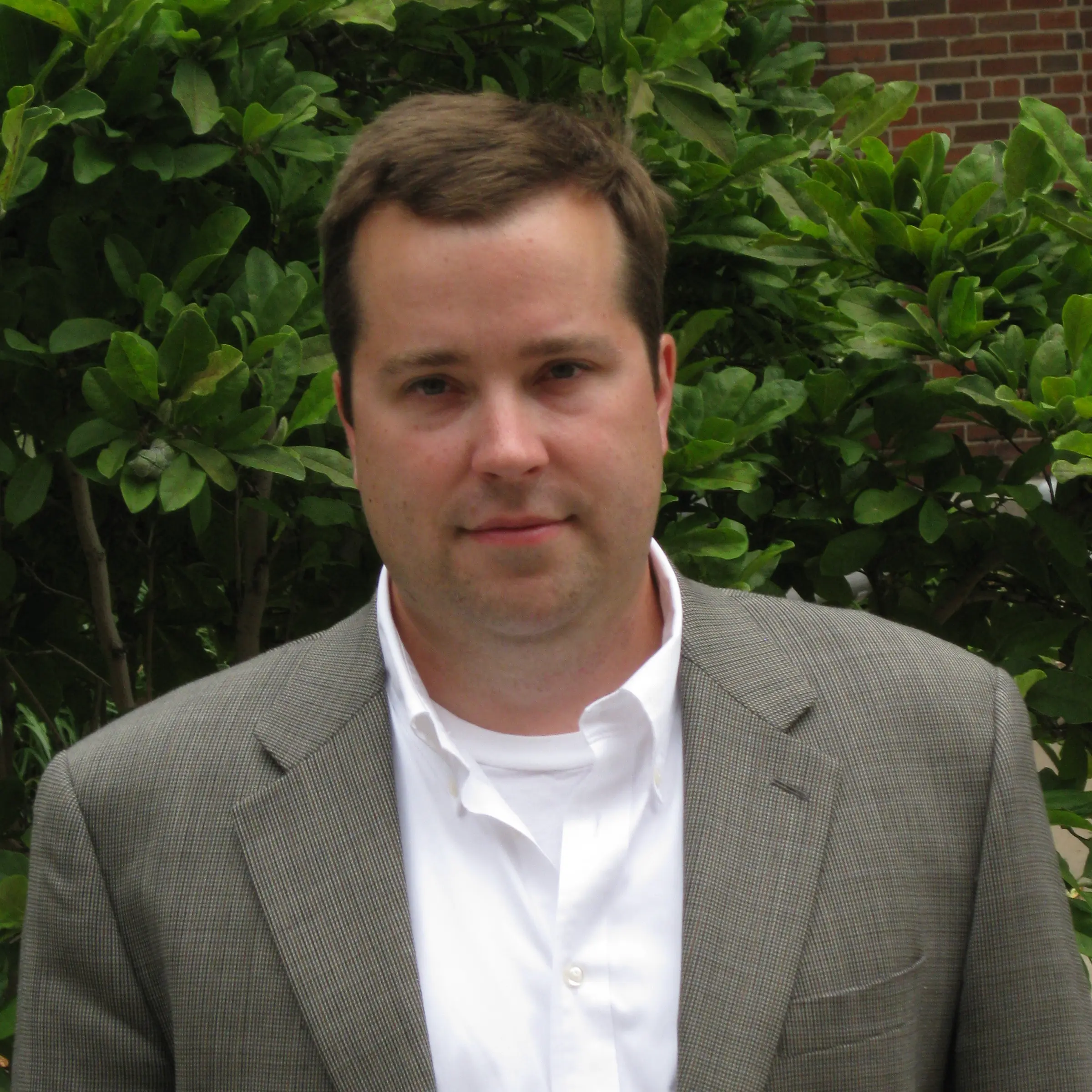
Andrew V. Samuelson
Affiliated with
Biography
I am committed to understanding the underlying molecular and genetic basis of aging, and have been active in the aging field for over fifteen years. My research uses a combination of genetic, molecular, biochemical, and functional genomic approaches in C. elegans to study aging. My graduate training was in the laboratory of Dr. Scott Lowe at CSHL and my research focused on understanding how oncogene signaling induced proapoptotic signaling by the p53 tumor suppressor gene. My post-doctoral research was in the laboratory of Dr. Gary Ruvkun at the Massachusetts General Hospital. From a comprehensive genome-wide RNAi screen in C. elegans, I identified 103 “progeric gene inactivations” (PGP) that were essential for decreased ILS to extend longevity and produced signs of premature aging by several independent criteria. Since starting my laboratory, we have increasingly focused on studying transcriptional regulators of aging, vital for maintaining protein homeostasis. We include the use of C. elegans neuronal models of Alzhiemers’ Disease (AD) and related tauopathies, as age-associated decline of proteostasis is a causative factor in the manifestation of many protein-folding diseases.
JoVE Journal Publications
Article Total : 2 | Year |
|---|---|
 Publication title Cited by 6 | 2018 |
 Publication title Cited by 8 | 2021 |
Other Publications
Article | Year |
|---|---|
The role of the antioxidant and longevity-promoting Nrf2 pathway in metabolic regulation. Current opinion in clinical nutrition and metabolic care| PubMed ID: 21102319 | 2011 |
Autolysosome biogenesis and developmental senescence are regulated by both Spns1 and v-ATPase. Autophagy| PubMed ID: 27875093 | 2017 |
| 2017 | |
Analysis of Lifespan in C. elegans: Low- and High-Throughput Approaches. Methods in molecular biology (Clifton, N.J.)| PubMed ID: 32410021 | 2020 |